
Avoid These 5 Mistakes When Using FBA (Fulfillment by Amazon)
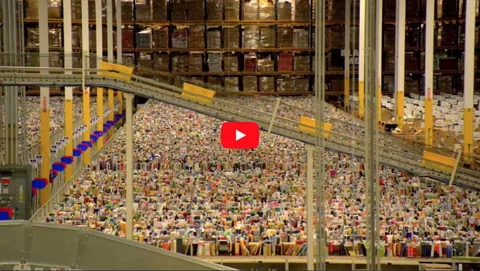
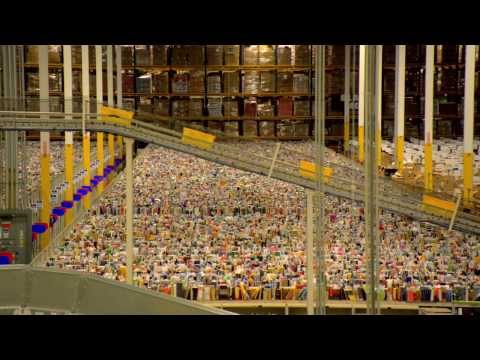
Selling on Amazon outshines other seller marketplaces such as eBay and Etsy because of Amazon’s incredible fulfillment network of warehouses. Amazon lets third-party sellers use those warehouses.
How Does Fulfillment by Amazon Work?
- As a seller on Amazon, you can ship your products in bulk to an Amazon warehouse.
- Amazon scans and receives the inventory.
- When an Amazon customer places an order for your product, Amazon packages and ships your product to the customer.
- Amazon handles the returns and most customer service related to the order.
The great thing about this is that the system works while you sleep. A customer places an order in the middle of the night, and you don’t have to worry about it. Amazon takes care of shipping your product to the customer.
How Amazon Fulfillment Increases Sales
The great thing about Fulfillment by Amazon (FBA) is that it qualifies your products for fast and free Prime shipping to millions of Amazon’s customers.
This helps boost sales, especially around the holidays.
It makes shipping orders to customers fast and easy.
Avoid These FBA Mistakes
As great as FBA is, some sellers make mistakes with it. Don’t let that happen to your business.
1. Mislabeled Products
If you label your own products (with UPC or Amazon FNSKU labels), please for the love of everything holy, make sure that you’re putting the right product ID stickers on the right products.
If you don’t label your products yourself, there’s nothing to worry about here. Except for the rest of the items below. Worry about those.
2. Incorrect Items or the Wrong Warehouse
Related to the one above, you might have the right product in the right packaging with UPC and all, but if you tell Amazon you’re sending the socks you sell, but you actually send a box of hats, you’ll delay your inventory getting in, and could get in trouble with Amazon or even customers if it makes it through to them.
Point is, make sure you send the product to Amazon that you’ve marked you’re sending.
If you’re sending items to multiple warehouses, make sure the correct products are sent to the warehouse specified. There’s nothing like getting a note from Amazon that there’s a problem with your inbound FBA shipment.
3. Not Enough, or the Wrong Type of, Dunnage (Packing)
It would stink to take such good care of your products only to skimp on packing them and have something damaged. Use appropriate bubble wrap, kraft paper, or other packing (not packing peanuts though).
You don’t want your product damaged on the way to Amazon.
Amazon will give you a sticker to print out with a barcode for FBA receiving as well as the FedEx or UPS label. Don’t place the labels across the box seam where it will need to be cut. Make sure that the labels are unobstructed and clearly visible.
Make sure your boxes aren’t too heavy. Amazon generally limits boxes to 50 pounds unless they contain a single oversized item, so check the current requirements.
Remember, it’s not rocket science, but any mishap can cause delays.
4. Breaching Amazon’s Guidelines and Restrictions
Amazon has some restrictions on items that could be dangerous or melt. Batteries are high on the list. Proper labeling is required, and some products Amazon just won’t accept for FBA. So check out the Amazon FBA Restrictions list before listing the product on Amazon or sending it in for FBA.
5. Sending Way More Inventory Than You Need
Here’s where it can get tough: how much is too much inventory to send to Amazon?
With a product that has a good selling history, you’ll have a good idea of how much you sell a month. If you send in much more than that, you’ll start to get dinged for having too much inventory, and you can be charged extra for inventory that hasn’t sold in 6 months, and even more for inventory that hasn’t sold in 12 months.
Think of it as first in, first out. If you sent in 20 units of one product, and they’ve been sitting there for 6 months, you could be charged for slow-moving inventory. If you were to send in 10 more units (Amazon might warn you that the product hasn’t sold much recently), you’d be charged for the 20 units that had been in there 6 months or more until each of those units has sold. It’s not a very expensive fee, but it’s one you’ll want to avoid.
Fulfillment by Amazon: Launch Your Business
Just think about it:
No warehouse that you have to rent and staff.
No worries about returns and shipping individual orders.
What FBA can do is help you start small and start a business on Amazon that can add that extra income or replacement income that you’ve been looking for. The great thing is the automation it provides.
FBA works while you sleep or vacation. It could be the tool to provide that extra money for a vacation or two or three.
Millions of sellers are making money selling on Amazon, and you can too. Just imagine how many entrepreneurs just wanted to get their products into Walmart back in the day, but it was an exclusive process and limited by shelf space.
Now you can achieve way more by potentially getting your product in front of millions and millions of customers. There’s never been a better time to get started.
Keep reading
-
How to Increase FBA Restock Limits on Amazon
Maybe you’re creating an FBA shipment, and everything is going fine until Seller Central says you can’t send in any more inventory. You’ve reached your restock limit…
-
 Self-Fulfilling Orders on Amazon? Don’t Be Mad, Be Glad
One of the most appealing things about selling on Amazon is the ability to send products in bulk to Amazon warehouses and have Amazon take care of shipping the…
Self-Fulfilling Orders on Amazon? Don’t Be Mad, Be Glad
One of the most appealing things about selling on Amazon is the ability to send products in bulk to Amazon warehouses and have Amazon take care of shipping the…
-
 Amazon Sales Dropped Like a Rock? Learn What to Do About It
Just think: sitting at home or at a small business office, your products can be shipped to customers all over the world. With FBA, you can have your orders shipped out…
Amazon Sales Dropped Like a Rock? Learn What to Do About It
Just think: sitting at home or at a small business office, your products can be shipped to customers all over the world. With FBA, you can have your orders shipped out…